
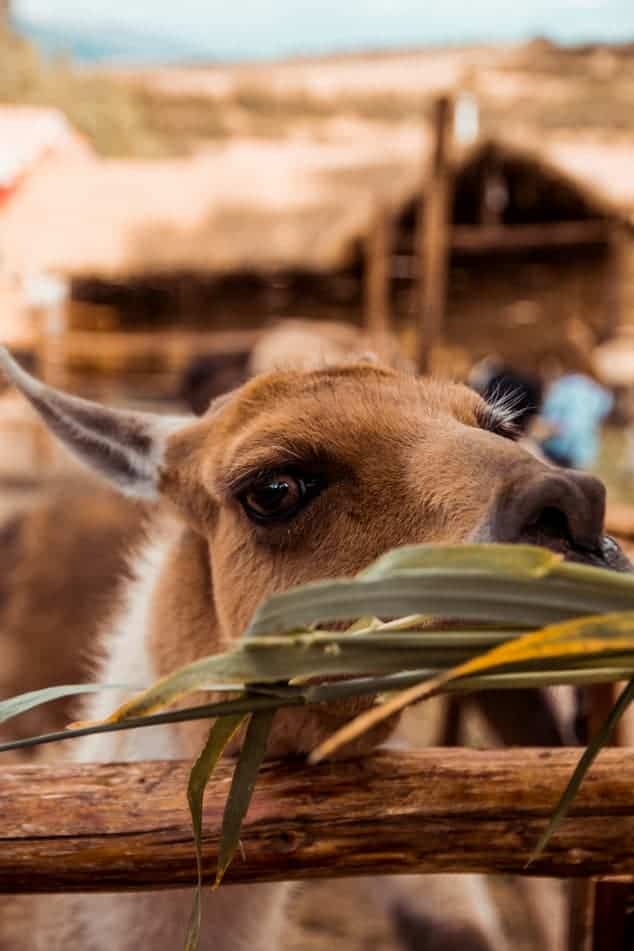
Alpaca as a raw material for bedding
Alpaca fiber has a natural, silky sheen and a soft texture. It contains only a small amount of lanolin and is processed in a similar way to sheep’s wool. Alpaca wool gets its name from the camelid of the same name, which is native to the Peruvian Andes.
The very fine, luxurious alpaca wool is among the highest-quality wools in the world, a fact reflected in its price. Thanks to the unique shape of its fibers, the wool feels extremely soft to the touch. This is evident in its scale-like structure. Compared to other types of wool, the fibers are very close together, so the typical scratchy feel of natural wool is absent. This is due to the scale structure of 0.4 microns (1,000 microns equal 1 mm).
For comparison: sheep’s wool has a fiber diameter of 0.8 microns. There are two different types: Huacaya and Suri. The wool from the Huacaya alpaca is extremely fine and has a crimped texture. In contrast, the wool fibers from the Suri are curly and have a smooth texture.
Thanks to its fine fibers, alpaca wool is ideal for lightweight, warm clothing as well as for comforters and pillows. If you’re looking to buy an alpaca blanket or pillow, it’s worth checking the quality grade. The finest grade is Baby Royal, with a fiber thickness of less than 20 microns. This is followed by other grades:
Baby Royal
< 20 Mikron
Baby
20.1 to 23 microns
Superfine
23.1 to 26.9 microns
Medium
27 to 30.9 microns
Strong
31 to 35.9 microns
Coarse
> 36 microns
How are alpaca products made?
The domesticated animal is sheared once a year so that its fine wool can be used for bedding and clothing. Each animal yields up to 6 kg of fiber. However, only about half of that amount can be used for further processing.
Maintenance shearing is carried out under strict legal requirements. During the process, the Livestock and Pet Ordinance must be observed. This ensures that the animals’ coats do not become excessively matted and also prevents heat buildup. Grooming shearing is an important regulatory measure for maintaining good thermal balance during hot periods. In many cases, it takes place annually, but Suri alpacas are often sheared only every other year. For optimal hygiene, a full shearing of the animals is recommended.
When buying alpaca pillows, organic quality is a key consideration. This is closely tied to how the animals are bred and raised. The following criteria apply:
- This herd animal must not be kept alone.
- The animals need plenty of space to roam. Animal-friendly husbandry requires an area of approximately 1,000 square meters for two animals.
- The diet of camelids consists mainly of grasses. No other feed is permitted.
- The stalls and feeding areas must be cleaned daily.
- The animals are examined for parasites at regular intervals and vaccinated as needed. These medical examinations, along with hoof care, are intended to protect their health and ensure the early detection of diseases.
-
from CHF 209.30 Select a model This product is available in several versions. You can select your preferred option on the product page.
-
from CHF 118.30 Select a model This product is available in several versions. You can select your preferred option on the product page.
Historical Background of Alpaca Wool
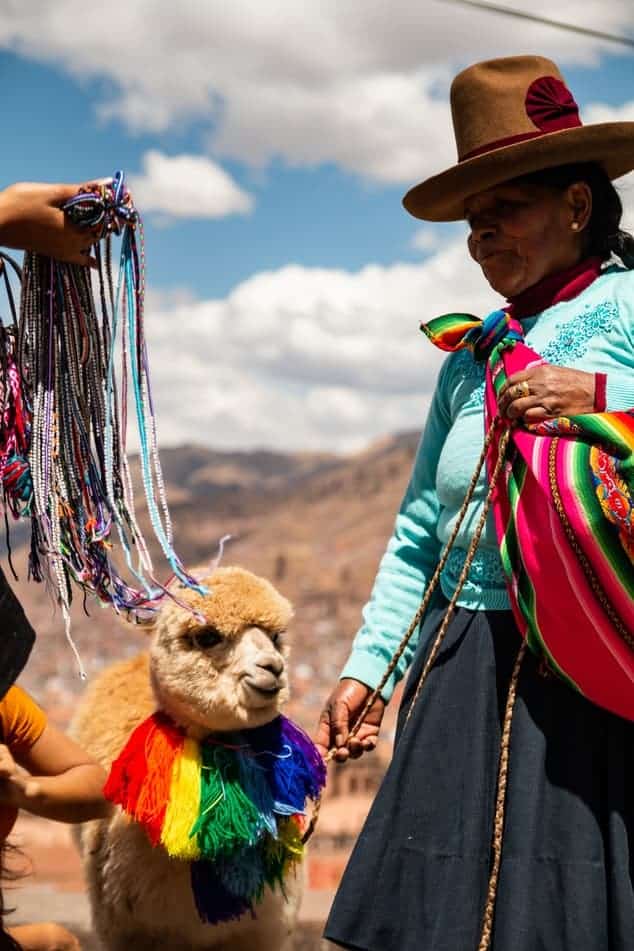
If you’re buying an alpaca pillow or blanket, it’s worth learning a bit about the history of alpaca wool. It originates from the Altiplano high plateau, which stretches from Peru to Bolivia and Chile. Archaeological findings suggest that the animals lived in large numbers in the region about 4,000 years ago. The guanaco was the predecessor of the llama. It was used as a pack animal and a source of meat. The vicuña provided outer and undercoat wool, as did the Huacaya and Suri.
The indigenous peoples and later the Incas appreciated the benefits of alpaca wool. They learned to spin and process the raw wool from these camelids to make clothing and blankets. During the Inca period, alpaca fiber was of exceptional purity and had a fineness of less than 15 microns. However, with the Spanish conquests in South America, the Inca Empire collapsed and a large portion of the camelids perished.
At the beginning of the 19th century, camelids were rediscovered for breeding purposes. According to recent studies, today’s New World camels are hybrids. Certain characteristics of llamas can be observed, which affect, among other things, the thickness of the fiber.
In Peru, alpaca herds have developed into an industry of their own, the success of which has now spread throughout the world. Around 3.5 million animals live in the Andes, and there are about 4.4 million worldwide.
The production of alpaca wool is becoming increasingly important. In the European DACH region, the market has undergone significant changes and is now increasingly focused on alpaca breeding and the production of fine alpaca wool. In doing so, breeders and producers are responding to rising demand. In 2010, there were approximately 8,000 alpacas in Germany.
In addition to the traditional use of alpaca wool for clothing, this fine, temperature-regulating material is now also used to produce bedding. Whether it’s traditional South American ponchos, cozy sweaters, or a soft and cuddly alpaca blanket, this antibacterial wool fiber is highly valued and excels in many applications.
General Benefits of Alpaca Fiber
- Durability – High-quality alpaca wool is extremely tear-resistant and durable. It does not tend to mat and is significantly more robust than other types of wool.
- Stain-resistant – Low moisture absorption prevents the fibers from attracting dirt. Therefore, thorough cleaning is only necessary occasionally.
- Temperature-regulating – Alpaca fiber is hollow on the inside, providing excellent insulation. At the same time, it prevents heat from building up. These outstanding thermal properties make alpaca textiles suitable for use in any season. In the cold of winter, an alpaca blanket retains body heat; in summer, it prevents sweating.
- Moisture management – The hollow fibers effectively absorb sweat and other moisture and wick it away. This makes alpaca fiber ideal for bedding and clothing that comes into direct contact with the skin.
- Suitable for people with allergies – This natural fiber has antibacterial properties because it contains very little lanolin. This prevents bacteria from forming, which helps protect against infections and allergic reactions.
- Antistatic – Alpaca wool is a natural product with antistatic properties. This prevents the fibers from becoming charged. At the same time, these antistatic properties keep dust at bay.
How does an alpaca pillow affect my sleep?
Alpaca pillows and blankets protect the skin from moisture and prevent the body from getting cold, ensuring a comfortable, healthy night’s sleep. For people with sensitive skin, the antistatic and antibacterial properties are also important. The natural material prevents allergic reactions and impresses with its soft texture. For a restful night’s sleep, the alpaca blanket offers optimal protection against the cold while remaining wonderfully lightweight.
There are good reasons to buy an alpaca blanket. It makes it easier to fall asleep and keeps distractions at bay. In addition to its warming properties, it offers a sense of relaxation—without which it can be difficult to fall asleep. The alpaca wool blanket nestles softly against the body without weighing it down. This is thanks to the blanket’s light weight. Combined with the alpaca pillow, it creates a cozy sanctuary that blocks out everyday stress.
A particularly beneficial feature of alpaca bedding is its natural temperature regulation. Pillows and duvets effectively wick away moisture, keeping your skin feeling dry. This prevents your skin from getting cold and enhances your sense of well-being. No sweat stains form at warm room temperatures. When it’s cooler, the warming properties of the natural fiber take center stage. Even those who wake up frequently at night feel well cared for. It’s easy to find the optimal sleeping position and sleep through the night.

Features
- Durability: Alpaca wool is about three times more tear-resistant than sheep's wool.
- Climate regulation: In cold weather, alpaca wool retains body heat. It creates an insulating layer to keep the cold out. In the summer heat, the fibers wick heat away from the body.
- Breathability: The hollow alpaca fibers absorb moisture and wick it away from the body. This makes alpaca wool ideal not only for comforters and pillows, but also for socks and other garments.
- Antibacterial properties: Alpaca wool contains very little lanolin. This has a repellent effect on germs and bacteria. As a result, this natural material is also suitable for people with allergies.
- Odor-neutralizing: – In addition to regulating moisture, alpaca fiber also neutralizes odors. This is due not only to the hollow fibers but also to the protein molecules in the natural fiber.
- Non-flammable:A blanket made of 100% alpaca fiber will notcatch fire until exposed to extremely high temperatures—over approximately 560 degrees.
Care Instructions for Our Products
- Air-drying is better than washing: The stain-resistant fiber has self-cleaning properties, so washing is rarely necessary. When exposed to fresh air, the alpaca fiber regains its natural shape and moisture.
- Shaking it out every day helps remove excess moisture.
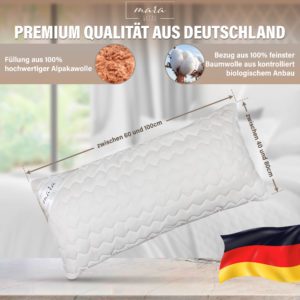
- When you buy an alpaca pillow, the care label provides important information such as protection from UV rays and washing instructions.
- You should not wash products made from natural fibers in the washing machine.
- The care symbol "P" indicates that dry cleaning is possible.
- For spot stains, treat the area with a mild detergent or diluted vinegar.
- Every time you wash it, you reduce the self-cleaning properties of the alpaca fiber.


