

Camel hair as a raw material for bedding
Nature provides the textile industry with a wide variety of materials that can be processed into both clothing and household textiles. Camel hair is a very popular raw material because it offers many benefits and can be processed into numerous products.
The term "camel hair" refers to the yellowish to reddish-brown coat of camels. The animals are native to Asia and Africa and have fundamentally different hair types in their coat structure.
In addition to the guard hairs (guard hair), which have a simple and coarse structure, the camel’s overall coat also consists of the curly and fine undercoat (down hair).
This downy hair is particularly light and also spins well. As a result, it is especially well-suited for the textile industry and is processed into a wide variety of products.
The production or harvesting of this hair
In order to harvest the fur of many farm animals, they must be sheared or combed at regular intervals. With camels, however, the situation is different:
Thanks to the natural shedding process, the animals shed their hair on their own, so no active outside assistance is required. This molting usually takes place in the spring, after the animals have been kept warm throughout the winter by their thick coats. The hair then falls out in clumps—it is therefore not uncommon to harvest up to 7 kg of hair per animal per year.
The hair is then collected and thoroughly—yet gently—cleaned. This removes parasites, dust, and other particles, preparing the hair for further processing. After cleaning, the topcoat is separated from the undercoat, preparing it for further processing.
-
from CHF 258.30 Select a model This product is available in several versions. You can select your preferred option on the product page.
-
from CHF 76.30 Select a model This product is available in several versions. You can select your preferred option on the product page.
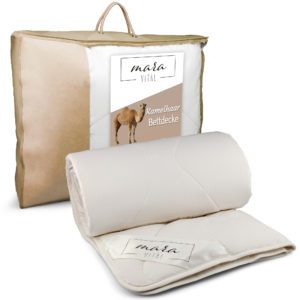
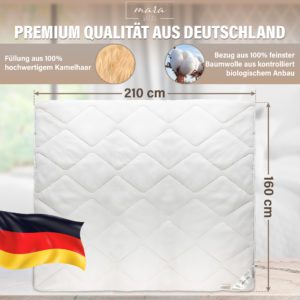
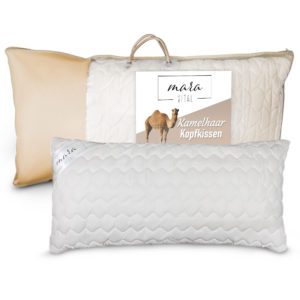
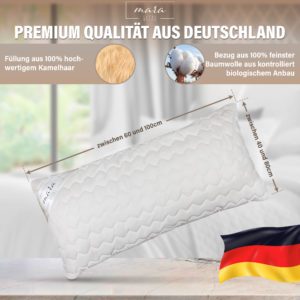

Historical Background of Camel Hair Wool
Because of its many benefits, camel hair has been highly sought after for thousands of years.
Because of its rarity, downy hair was considered particularly valuable and unique even in ancient times. As a result, it was reserved exclusively for the wealthy, who had all manner of textiles made from it. From blankets to coats and cardigans to decorative pillows, anything was possible.
However, camel hair served not only decorative purposes but also offered purely practical benefits. This is because the primary function of the hair is to provide protection from both freezing cold and scorching heat. In the past, many peoples who worked and lived almost exclusively outdoors benefited from this.
Although camel hair originally comes from Mongolia and western China, it can now be sourced from nearly every region of the world. Demand remains strong, so many animals are now raised solely for their fur. Whether in Asia, Europe, or Africa, camel hair is in demand worldwide, so it is harvested and prepared for further processing in nearly every country on the planet.
Key Benefits of Hair
Camels are exposed to many different environmental factors in their natural habitat. It is therefore not surprising that their hair possesses a variety of characteristics that make life significantly easier, even in the face of extreme weather fluctuations.
The animals’ fur has a high capacity for temperature regulation. It keeps them warm in temperatures as low as -60 degrees, but also protects them in extreme heat. This is made possible by the fact that the hairs have a hollow-fiber structure that absorbs sweat very effectively and releases it into the environment. This creates the well-known cooling effect of evaporation, which cools the animals and protects them from potential overheating. In extreme cold, however, the undercoat acts as insulation, preventing the skin from freezing and the animals from dying of hypothermia.
Camel hair is also particularly light, so it does not add any extra weight to the animals. Its self-cleaning and low-maintenance properties make it exceptionally durable. Despite the many different demands placed on it, the hair provides reliable, stable protection—a vital factor for the animals’ survival in the wild.
How camel hair affects your sleep patterns
The textile industry also takes advantage of the properties of camel hair listed above. As a result, the hair is used in a wide variety of textiles—camel hair pillows and camel hair blankets are particularly popular. However, the blankets must be explicitly divided into two distinct types. While camel hair blankets are typically made of pure camel hair fibers and are significantly thinner, camel hair duvets feature a cotton cover.
Classic blankets are therefore ideal for cozy evenings on the sofa, while duvets are designed for use at night. They help regulate nighttime temperatures, preventing you from sweating excessively or feeling chilly.
Thanks to their moisture-wicking properties, these blankets are often used by people who sweat heavily at night. The fibers in the blanket reliably absorb night sweat, ensuring it does not disturb the sleeper. Thanks to the fibers’ light weight, the blankets always feel exceptionally light and comfortable against the skin, making them a pleasant choice even on balmy summer nights.

An overview of the key features of camel hair blankets and pillows:
- Optimal temperature regulation:
While these blankets provide a pleasantly soft and cozy sleeping environment in winter, they are usually used simply as a light throw in summer. Thanks to their optimal temperature regulation, they reliably prevent overheating even on particularly hot nights. - Suitable for every season:
If you’re looking to buy a camel hair blanket, you might also consider a four-season blanket. This combo set typically consists of a thin summer blanket and a thicker winter blanket. The two blankets can be connected using button plackets, creating an additional layer of insulation. This blanket combination, combined with the camel hair, guarantees optimal sleep hygiene and thus the best possible sleeping comfort! - Excellent moisture management:
Thanks to the hollow-fiber structure, the sheets reliably absorb night sweat, ensuring a comfortable sleeping environment. - Gentle on the skin and soft to the touch:
The fluffy texture of the undercoat is particularly soft and provides a very comfortable feel against the skin while sleeping. For example, anyone looking to buy a camel hair pillow is choosing not only a very healthy but also a very comfortable natural product. - Lightweight:
The hair’s low weightalso makes the blanket lightweight. As a result, camel hair blankets are particularly light and therefore comfortable to use—especially on balmy summer nights. - Breathable:
Thanks to their temperature- and moisture-regulating properties, these blankets are exceptionally breathable, which will have a positive effect on your sleep. - Pure natural product:
Unlike many other textiles, these blankets are made from pure natural materials. Anyone looking to buy a camel hair blanket or a camel hair pillow is specifically choosing a product that has been manufactured without any additives. This is the only way for customers to fully appreciate the numerous properties of the hair and enjoy the true benefits of these products.
Suitable for allergy sufferers:
Because the pillows and blankets are made from pure natural materials, they are particularly beneficial for allergy sufferers. There are now also special toppers made from animal hair that can be used as a practical intermediate layer in your own bed. This topper is especially suitable for users who are allergic to dust mites.
Care Instructions for Our Products
Anyone looking to buy a camel hair pillow or a camel hair blanket is choosing a fabric that’s exceptionally easy to care for. Thanks to the fibers’ self-cleaning properties, these products require very little maintenance. Nevertheless, the pillows and blankets will retain their quality for a long time!
The best way to care for pillows and blankets is to air them out regularly in the fresh air. This allows the fibers to fully recover, ensuring they feel completely fresh and comfortable.
If you still want to clean your blanket, you should opt for professional cleaning. This is because a standard, high-speed washing machine will damage the structure of the hair fibers, causing the fabric to lose its unique properties. Clothing items should also not be washed in a home washing machine, but rather by hand using an eco-friendly detergent to ensure that the benefits of camel hair products are preserved.
Damp or wet camel hair textiles should never be wrung out or ironed. These items should only be dried gently in the open air, away from direct sunlight. This will help them retain their texture and bring their owners years of enjoyment!


